Modern vehicles are no longer just mechanical machines; they are highly advanced sensory networks. Your car relies on a complex array of forward-facing cameras, radar units, and ultrasonic sensors to keep you safely in your lane and prevent collisions.
When these sensors are disturbed—even by a fraction of an inch—your vehicle’s Advanced Driver Assistance Systems (ADAS) can fail to operate correctly, putting you and your passengers at risk. At Veriton Auto, we specialize in OEM-level LKAS and ADAS Recalibration, ensuring your vehicle’s “eyes” are perfectly aligned and functioning exactly as the manufacturer intended.
Many drivers are unaware that everyday repairs can knock these highly sensitive cameras and radars out of alignment. You must have your ADAS systems recalibrated if your vehicle has undergone any of the following:
The forward-facing camera for your LKAS and automatic braking is mounted directly to the glass. Any time the windshield is replaced, the camera must be recalibrated.
Even minor fender benders can shift the radar sensors located behind your front bumper or grille.
If your vehicle's thrust angle changes during a wheel alignment, the camera is no longer looking perfectly straight down the road.
Changing ride height, replacing struts, or altering suspension geometry changes the pitch and angle of your vehicle's sensors.
Installing a new camera, radar unit, or ADAS control module requires factory programming and calibration.
If your dashboard displays a message like "Radar Sensor Blocked," "LKAS Malfunction," or "Front Assist Unavailable".
ADAS systems are designed to support drivers with important safety features such as Lane Keeping Assist (LKAS), Forward Collision Warning, Automatic Emergency Braking, and Adaptive Cruise Control. Even a small change in the position of a camera, radar, or sensor can affect how these systems operate.
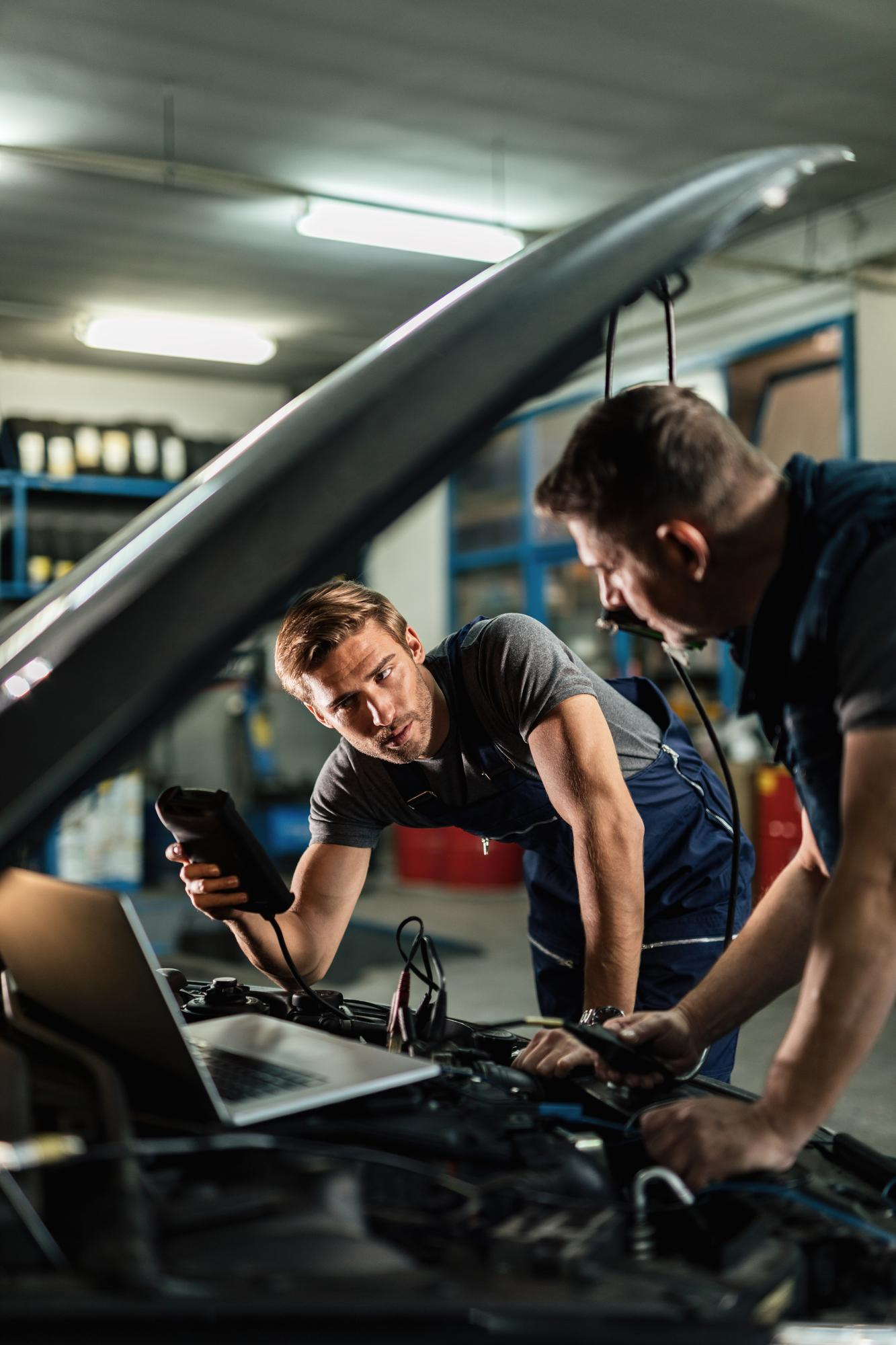
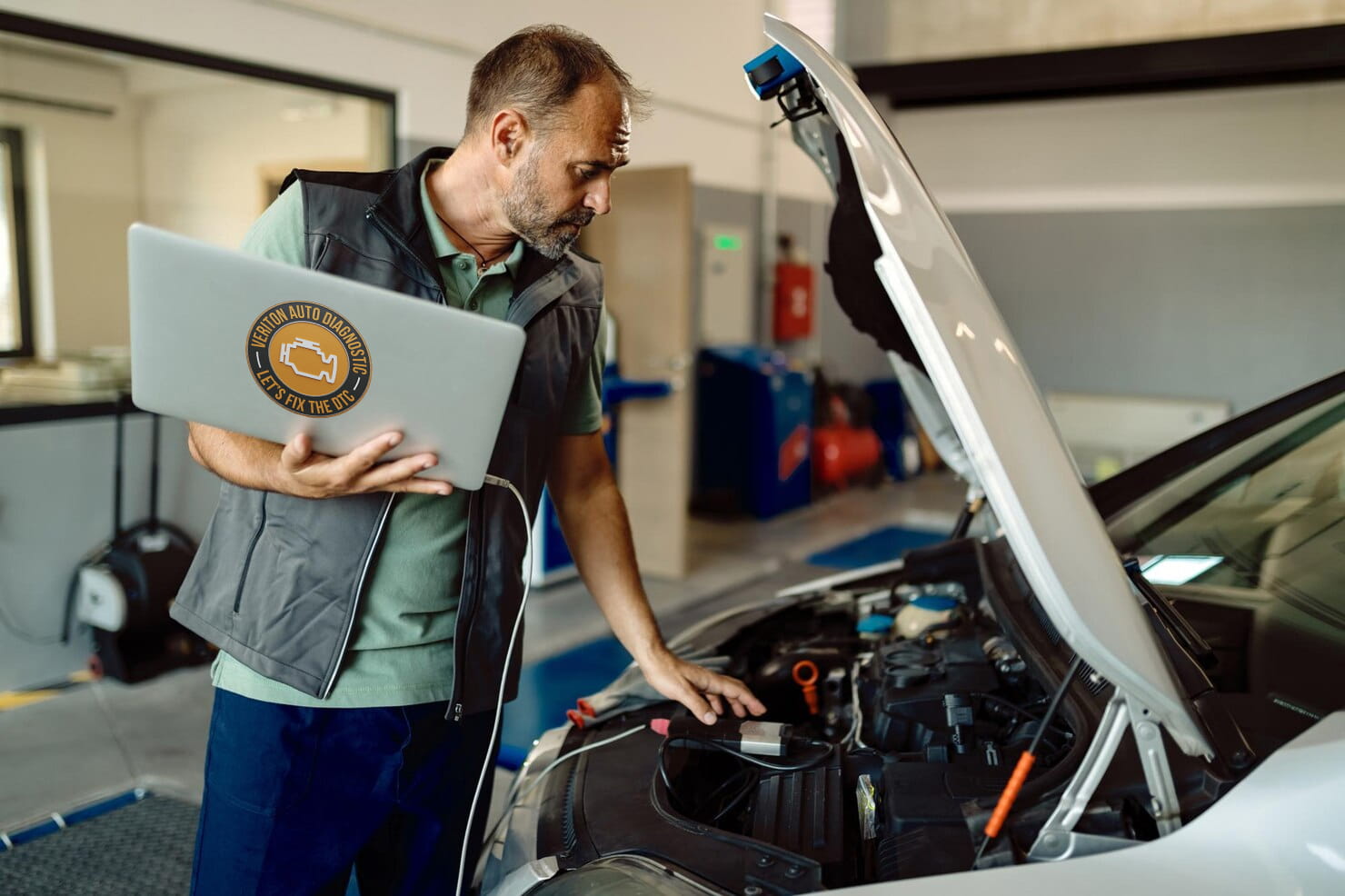
At Veriton Auto, we perform precise ADAS recalibration to restore the correct alignment and functionality of your vehicle’s safety systems. Our calibration service is especially important after windshield replacement, wheel alignment, suspension work, collision repairs, or sensor and camera adjustments. Using advanced diagnostic and calibration equipment, our technicians verify that the vehicle’s sensors and cameras are positioned correctly and communicate properly with the vehicle’s electronic systems. This helps ensure your LKAS and other ADAS features provide accurate warnings, reliable assistance, and safer performance on the road.